
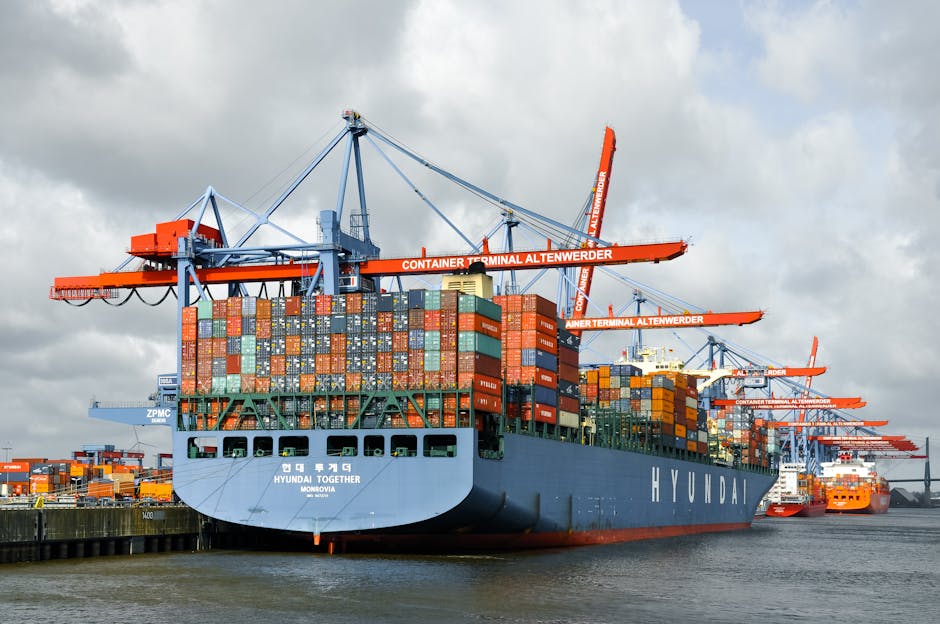
title: “Shifting Tides: The Evolution of Global Trade”
meta_description: “Explore how global trade is transforming: from regional trade agreements and trade wars to nearshoring and digital commerce. Discover the trends shaping the future of the global economy.”
Shifting Tides: The Evolution of Global Trade
Introduction
Global trade shaped the modern world—connecting economies, creating wealth, and fostering interdependence. But the system is shifting. Pandemic disruptions, geopolitical tensions, and new technologies are reshaping how goods and services flow across borders. Understanding these changes matters for businesses, workers, and policymakers navigating an uncertain future.
Regional Trade Agreement Changes
Regional trade agreements have proliferated. The African Continental Free Trade Area will create the world’s largest free trade area. The Regional Comprehensive Economic Partnership links Asia-Pacific economies. These blocs shape trade flows and investment decisions.
Trade agreements increasingly address non-trade issues. Labor standards, environmental protection, digital commerce, and intellectual property appear in modern agreements. This expands trade policy scope but complicates negotiations.
The WTO dispute settlement system is paralyzed. Appellate body appointments blocked, countries are taking matters into their own hands. Bilateral and regional mechanisms are filling gaps, but global rules weaken.
Impact of Trade Wars on Consumers and Businesses
Trade wars disrupt established supply chains. Tariffs raise costs for imported goods, which consumers ultimately pay. Uncertainty makes long-term planning difficult; companies that invested in China-facing operations face sudden cost changes.
Retaliatory tariffs target political constituencies. US tariffs on European wine, French cheese, and Scottish whiskey aim at politically symbolic products. Such targeting creates domestic pain that may influence policy—but the effects are diffuse.
Supply chain resilience has become priority. Companies are diversifying suppliers, reshoring critical production, and building inventory buffers. These changes raise costs but reduce vulnerability to disruption.
Economic nationalism rises globally. “Buy American” provisions, local content requirements, and industrial policies are back in fashion. Governments are willing to pay more for strategic autonomy.
Globalization’s Winners and Losers
Globalization lifted billions from poverty. Trade-enabled growth in China, India, and Southeast Asia raised living standards for hundreds of millions. Lower-income countries can specialize in labor-intensive production.
But globalization also created losers. Manufacturing workers in advanced economies faced competition from lower-wage countries. Communities built around factories that moved abroad suffered persistent decline. These geographic concentrations of pain drove political backlash.
Services trade is growing faster than goods. Data flows, digital services, and intellectual property now dominate global commerce. Advanced economies with strong service sectors benefit; manufacturing-dependent economies struggle to compete.
Small businesses face increasing complexity. Compliance with trade rules, customs procedures, and regulations creates burdens that favor large firms. Simplification efforts continue, but cross-border trade remains daunting for smaller enterprises.
Future of Global Commerce
Nearshoring is accelerating. Companies are moving production closer to end markets. Mexico benefits from US-China tensions; Vietnam attracts manufacturing leaving China. This benefits some developing economies while potentially bypassing others.
Digital trade rules are being negotiated. Data flows, digital tariffs, and platform regulation require international agreements. The EU, US, and China have different visions—reaching consensus is difficult.
Climate trade provisions are emerging. Carbon border adjustments, sustainability standards, and green product requirements will affect trade. These could become significant barriers—or drivers of environmental improvement.
The global economy is fragmenting into blocs. US and China each build separate technology ecosystems, finance networks, and trade relationships. Companies must choose which system to participate in—or try to navigate both.
Leave a Reply