
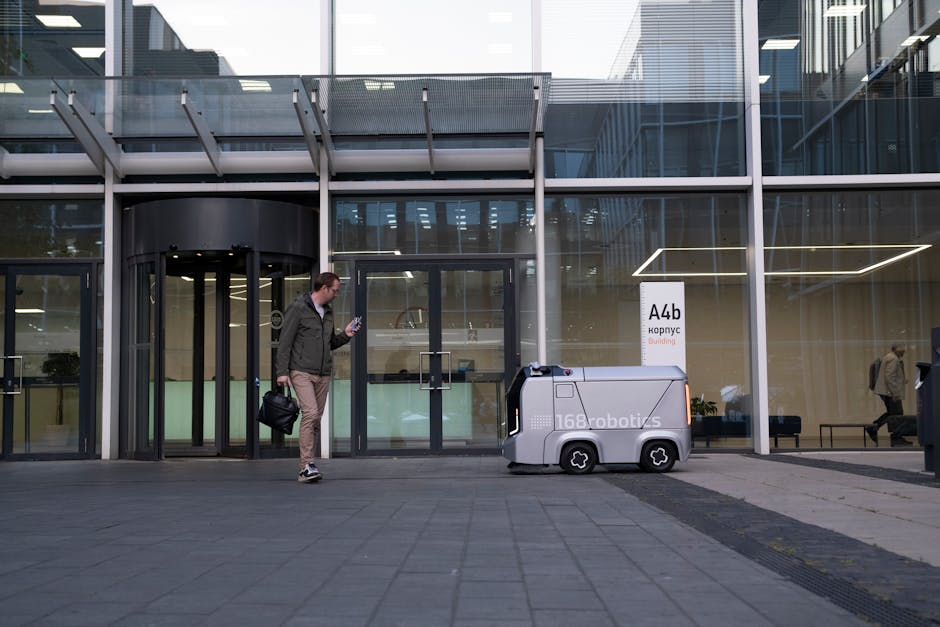
meta_description: “Explore how smart city technology uses IoT sensors, AI, and connected systems to transform urban living while addressing privacy, sustainability, and governance challenges.”
Smart Cities: Technology’s Role in Urban Living
Introduction
Cities are humanity’s greatest invention—centers of innovation, culture, and economic opportunity. But they face enormous challenges: traffic congestion, pollution, aging infrastructure, and growing populations. Smart city technology promises to address these challenges through sensors, data analytics, and connected systems. Yet implementing these technologies raises profound questions about privacy, equity, and the nature of urban life.
Technologies Driving Smart City Development
Internet of Things sensors form smart cities’ nervous system. Traffic lights that adapt to real-time conditions, air quality monitors that detect pollution spikes, and parking sensors that guide drivers to open spaces all rely on networks of connected devices collecting and sharing data.
Artificial intelligence processes the flood of urban data. Machine learning algorithms predict traffic patterns, optimize public transit routes, and identify infrastructure problems before they become crises. These systems turn raw data into actionable intelligence.
Smart grids bring renewable energy and efficiency to electrical systems. Intelligent electricity networks can balance loads, integrate solar and wind power, and respond automatically to outages. Some cities are piloting microgrids that can operate independently during disasters.
Connected transportation goes beyond cars. Smart transit systems track buses and trains in real-time, adjusting schedules to demand. Ride-sharing and autonomous vehicles could integrate with public transit, creating seamless multimodal journeys.
Water management systems use sensors to detect leaks, monitor quality, and optimize distribution. These systems can identify pipe failures before they cause outages and ensure clean water reaches all residents.
Privacy and Surveillance Concerns
Smart cities risk creating pervasive surveillance networks. Cameras on every corner, sensors tracking smartphone movements, and data platforms aggregating personal information create unprecedented visibility into citizens’ lives.
The question of who controls city data matters enormously. Private companies building smart city infrastructure often retain rights to data they collect. Cities must negotiate carefully to maintain public ownership and control over information collected in public spaces.
Anonymization and aggregation provide some protection, but re-identification techniques continue to advance. Even “anonymous” data can often be traced to individuals when combined with other datasets. True privacy may require fundamental architectural choices, not just policy patches.
Citizens often have limited knowledge about what data is collected about them. Transparent policies, public dashboards showing what information governments collect, and meaningful consent mechanisms can help—but require sustained political will.
Sustainability and Livability
Smart city technology offers genuine environmental benefits. Intelligent traffic systems reduce idling and congestion, cutting emissions. Smart thermostats and lighting reduce energy waste in buildings. Real-time transit information encourages public transportation use.
But technology alone cannot solve urban sustainability challenges. Copenhagen’s cycling culture reflects deliberate policy choices, not just app availability. Reducing car dependence requires dense, mixed-use development that technology cannot create.
Urban heat islands—areas significantly warmer than surrounding regions—affect millions of city dwellers. Smart city approaches can identify vulnerable areas, deploy cooling technologies, and plan green infrastructure. But addressing root causes requires urban design and investment decisions that technology can support but not replace.
Noise pollution, access to green space, and walkability all affect quality of life in ways that smart technology can illuminate but not directly solve. The danger is that cities invest in impressive technical systems while neglecting fundamental livability.
Governance Challenges
Smart city projects often involve complex public-private partnerships. Technology companies bring expertise and capital but may prioritize their commercial interests over public benefit. Cities must negotiate contracts carefully, maintaining public oversight and avoiding lock-in to proprietary systems.
Interoperability matters. Cities risk creating silos where different systems cannot communicate—traffic management that doesn’t talk to transit, energy systems that don’t talk to buildings. Open standards and coordinated planning can prevent this fragmentation.
Digital divides risk excluding marginalized communities from smart city benefits. If only affluent neighborhoods receive sensors and services, technology amplifies rather than reduces inequality. Equity-focused implementation requires deliberate attention to underserved areas.
Cybersecurity becomes existential when critical infrastructure is connected. A hacker who compromises a traffic system could cause chaos. A ransomware attack on water treatment could threaten public health. Smart cities must build security into foundations, not bolt it on afterward.
Conclusion
Smart cities represent genuine opportunity to address urban challenges. Technology can improve efficiency, sustainability, and quality of life—if implemented thoughtfully. But technology is a tool, not a solution. The questions cities face are fundamentally human: what kind of community do we want to build, who benefits, and who decides.
The most successful smart cities will be those that use technology to enhance democratic governance, not circumvent it. Public engagement, transparent data practices, and meaningful citizen input must guide implementation. The alternative—technocratic management optimized for efficiency—risks creating cities that are smart but not good places to live.
Technology will continue advancing. The question is whether cities will shape it to serve human flourishing or simply let it happen. That choice is up to citizens, leaders, and voters—not algorithms.
Leave a Reply