
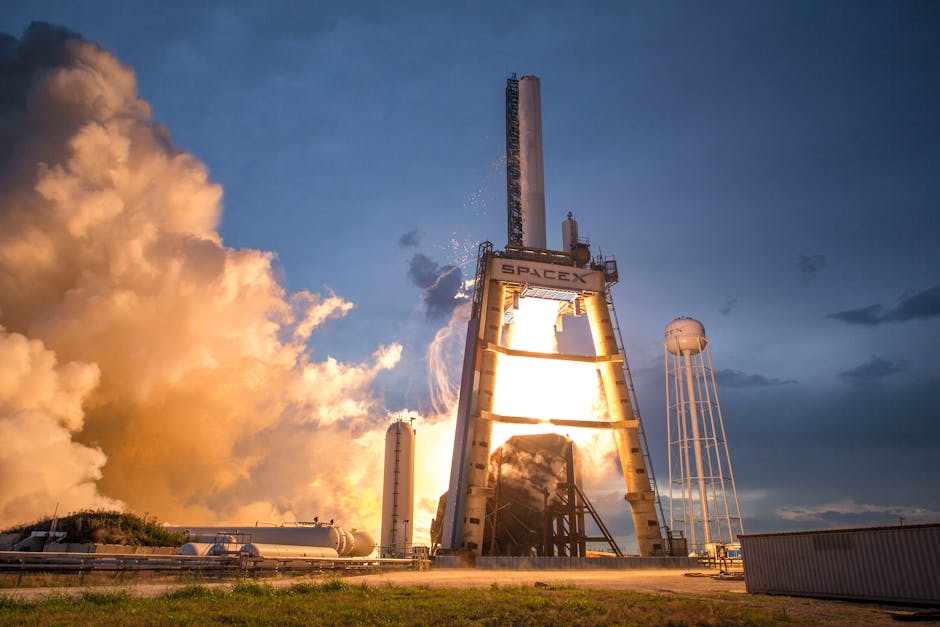
The New Space Race: Commercialization and Exploration
Introduction
Space is no longer just for superpowers. Private companies are launching rockets, building space stations, and planning lunar bases. Nations and entrepreneurs compete for lunar resources, satellite orbits, and the prestige of pushing humanity’s frontier outward. This new space age offers remarkable opportunities—but also raises profound questions about governance, sustainability, and who benefits.
Economic Opportunities in Space Commercialization
Satellite communications and Earth observation generate billions annually. Companies like SpaceX, OneWeb, and Amazon’s Project Kuiper deploy constellations providing internet globally. Imagery and data services serve agriculture, insurance, and intelligence.
Space tourism is launching. SpaceX, Blue Origin, and Virgin Galactic have carried private citizens to space. While expensive today, prices will fall. Orbital hotels and lunar tourism could follow.
Space manufacturing offers unique opportunities. Microgravity enables products impossible on Earth—optical fibers, pharmaceuticals, advanced materials. In-space manufacturing could eventually support deeper exploration.
Asteroid mining remains aspirational but attracts investment. Platinum-group metals on asteroids could be worth trillions. Water ice on the Moon could fuel deep space exploration. The legal framework remains uncertain.
Space-based solar power could provide limitless clean energy. Transmitting solar power from orbit could supplement ground-based renewables. Engineering challenges remain significant, but potential rewards are enormous.
Risks of Increased Space Activity
Space debris threatens satellites and spacecraft. Over 100 million pieces of debris orbit Earth; collisions create more debris in a cascade. Without debris removal, low Earth orbit could become unusable.
Weaponization is possible. Anti-satellite weapons exist; space forces are being established. Arms control in space remains minimal. The militarization of space threatens all users.
Environmental concerns are growing. Rocket emissions affect the ozone layer and upper atmosphere. The Outer Space Treaty is being tested by private activity. Sustainability principles are urgently needed.
Accidents happen. Launch failures, reentry debris, and satellite collisions can affect lives on Earth. Liability frameworks exist but untested in major incidents. Insurance markets struggle to price space risks.
How International Space Treaties Need to Evolve
The Outer Space Treaty of 1967 governs space activity—but drafted for a different era. It prohibits national appropriation but says nothing about private property. How private companies claim resources remains legally ambiguous.
The Artemis Accords establish norms for lunar activity—transparency, interoperability, heritage preservation. Many nations have signed, but Russia and China rejected them. Division between US-led and Chinese-led space programs is emerging.
Space traffic management is becoming urgent. Thousands of satellites launch annually; coordination is inadequate. International frameworks are needed to prevent collisions and manage crowded orbits.
Resource rights require clarification. The US and other nations have passed laws allowing private companies to keep extracted resources. International consensus is lacking. The moon and asteroid agreements remain contested.
Conclusion
Space offers humanity’s next frontier—economically, scientifically, and spiritually. The new space age is more democratic, more commercial, and more consequential than the first. But success requires governance that serves all of humanity, not just spacefaring nations and wealthy corporations.
The choices made now will shape space for generations. Will it be a commons preserved for peaceful exploration? A lawless frontier for those with means to grab resources? A strategic domain of great power competition? The answer depends on what humanity chooses.
Space is hard. But it’s also a place where cooperation is possible—where common interests can overcome rivalries. The International Space Station shows what’s possible when nations work together. That spirit, applied to the challenges ahead, can ensure space benefits everyone.
As we look to the stars, we must also look to each other. The future of space belongs to all of us, and the decisions we make today will determine whether that future is shared or contested.
Leave a Reply