
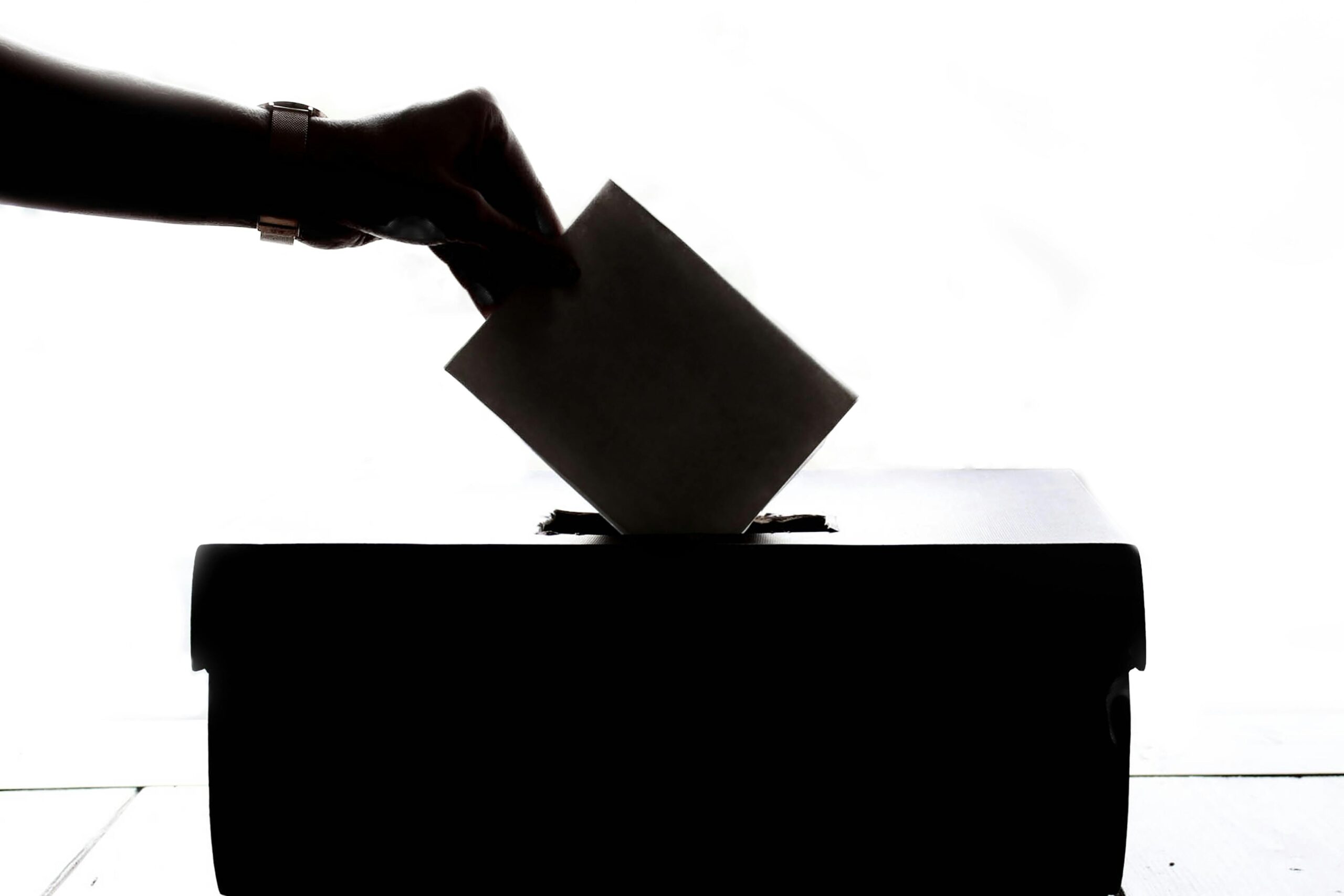
The health of a democracy is often measured by who shows up to vote. In the United States, voter participation has followed a complex trajectory over the past six decades, shaped by shifting legal frameworks, demographic changes, and evolving attitudes toward political engagement. Understanding these historical patterns provides essential context for assessing where American democracy stands today—and where it might be headed.
Voter Turnout Trends Over Time: Understanding Long-Term Patterns in U.S. Electoral Participation
Presidential Election Turnout Since 1964
Since 1964, voter turnout in U.S. presidential elections has fluctuated significantly, though never quite returning to the peaks seen in the mid-19th century. The data reveals several distinct eras:
The Decline (1964–1996): Turnout based on the Voting Eligible Population (VEP) peaked at 63.4% in 1964, the first election after the Civil Rights Act and the year the Twenty-Fourth Amendment eliminated poll taxes. However, this proved to be the beginning of a long decline. By 1996, turnout had fallen to just 51.7%—the lowest point in modern American history. Several factors contributed: the lowering of the voting age to 18 in 1971 (via the Twenty-Sixth Amendment), which initially brought in younger voters with lower participation rates, and the gradual erosion of registration drives that had previously mobilized voters.
The Recovery Period (2000–2020): The early 2000s marked a gradual turnaround. Turnout climbed from 54.3% in 2000 to 60.1% in 2004, then surged to 61.6% in 2008—the first election with Barack Obama on the ballot. After a slight dip to 58.0% in 2012, turnout rose again to 59.2% in 2016. The 2020 election saw a dramatic spike to 65.3%, the highest turnout since 1900, driven by intense political polarization and the expansion of mail voting during the COVID-19 pandemic.
The 2024 Election: Preliminary data shows turnout at 63.1% of the VEP in 2024—slightly lower than 2020 but still significantly higher than pre-2020 levels. Approximately 154.3 million Americans cast ballots.
International Comparisons: How Does the U.S. Stack Up?
Compared to other established democracies, the United States consistently ranks near the bottom in voter turnout. Among OECD nations, the U.S. places well below the average of approximately 67% for presidential and parliamentary elections.
Several structural factors explain this gap:
- Registration Requirements: Unlike many democracies where citizens are automatically registered or voting is essentially automatic, the U.S. places the burden of registration on individual voters. This creates a significant barrier that suppresses participation.
- Election Frequency: Americans vote far more often than citizens of most other democracies—primary elections, runoffs, local ballots, and frequent recalls create voter fatigue.
- Tuesday Voting: The tradition of holding elections on a Tuesday (originally chosen in 1845 for agricultural convenience) creates a workday obstacle that most other democracies avoid.
However, when comparing apples to apples—measuring U.S. turnout against countries with similar registration systems and electoral complexity—the gap narrows considerably, suggesting that American low turnout is more institutional than cultural.
Midterm vs. Presidential Year Participation
One of the most consistent patterns in American politics is the dramatic difference between turnout in presidential and midterm election years. This midterm gap represents one of the most significant participation disparities in democratic nations.
- Presidential years consistently draw 15-20 percentage points more voters than midterm elections.
- In 2020, turnout reached 66% for the presidential election.
- In 2018, the highest midterm turnout since 1914 still only reached 50%—far below the presidential year baseline.
This gap reflects the horserace nature of presidential elections, which draw more media attention, campaign spending, and voter interest. Midterm elections, often perceived as less consequential, struggle to mobilize the same level of engagement.
The Rise of Early Voting
One of the most significant shifts in American electoral participation over the past two decades has been the dramatic increase in early voting and mail-in voting. This trend fundamentally changed how Americans cast their ballots:
- In 2004, only 21% of voters cast ballots before Election Day.
- By 2016, this had risen to 40%.
- In 2020, the pandemic drove an unprecedented 69% of voters to cast ballots before Election Day.
- In 2024, approximately 50% of ballots were cast early, returning to a level more consistent with the pre-pandemic trend.
The expansion of early voting has been driven by both convenience and policy changes. More than 40 states now offer some form of early in-person voting, and mail voting has become normalized across the political spectrum. This shift has implications for campaign strategy, election administration, and the overall electoral experience.
The Impact of Voting Rights Laws
Federal voting rights legislation has profoundly shaped participation patterns:
- The Voting Rights Act of 1965 had an immediate and dramatic impact, particularly in the South. It prohibited discriminatory voting practices and led to a surge in Black voter registration and turnout.
- The National Voter Registration Act of 1993 (the Motor Voter Act) required states to offer voter registration at motor vehicle offices and public assistance agencies, modestly increasing registration rates.
- The Help America Vote Act of 2002 standardized voting equipment and created the Election Assistance Commission, though its impact on turnout was modest.
Recent Supreme Court decisions, particularly Shelby County v. Holder (2013), which struck down key provisions of the Voting Rights Act, have renewed debates about voting access. Research suggests that restrictive voting laws can suppress turnout among minority and low-income voters, though the effects are often modest and contested.
Registration: The Persistent Barrier
So why do so few Americans actually vote? Voter registration remains the single greatest obstacle to participation in American elections. Unlike automatic registration systems in many democracies, U.S. voters must proactively register—often weeks before an election.
Registration rates have evolved:
- In 1964, approximately 69% of the voting-age population was registered.
- Registration peaked in the 1990s at around 70% of eligible voters.
- Today, approximately 71% of eligible Americans are registered.
The gap between those eligible to vote and those actually registered represents millions of potential participants who skip the registration step. States that have adopted automatic registration have seen modest increases in participation.
What Historical Patterns Suggest About the Future
Several conclusions emerge from six decades of voter turnout data:
- Polarization drives turnout: The highest recent turnouts (2016, 2020, 2024) coincided with highly competitive, high-stakes elections. As political polarization intensifies, competitive races will likely continue drawing strong participation.
- Structural reforms matter: Policies that reduce barriers—automatic registration, early voting, mail voting—can meaningfully increase turnout. The question is whether such reforms will continue to expand or face reversal.
- The midterm problem is structural: Without fundamental changes to how midterm elections are perceived and covered, the participation gap will likely persist.
- Youth turnout remains the wildcard: Young voters (18-29) consistently turnout at lower rates than older Americans, though the gap narrowed somewhat in 2020 and 2024. Engaging this cohort remains a major challenge for democracy advocates.
- The U.S. will likely remain a low-turnout democracy: Given the country’s institutional structure—registration requirements, frequent elections, and Election Day logistics—dramatic increases in participation are unlikely without sweeping reforms.
The story of American voter turnout is one of persistent challenge wrapped in occasional triumph. While participation has recovered from its 1990s lows, the United States still struggles to match the engagement levels of its democratic peers. The historical record suggests that improving turnout requires both structural reforms and a political environment that motivates voters to participate. Neither alone is sufficient.
Leave a Reply