
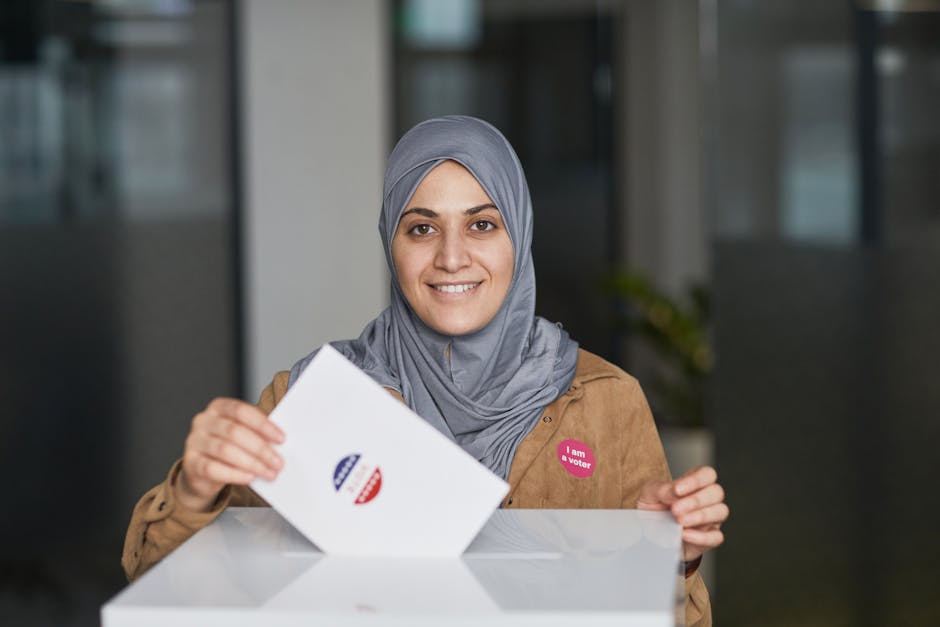
In any election, understanding who votes is just as important as who wins. Voter turnout in the United States varies dramatically across demographic groups—and these differences shape electoral outcomes. Here is what the data shows about who participates in American elections.
Overall Turnout in Recent Elections
The past several elections have seen unusually high participation. The 2020 presidential election drew 66% of eligible voters—the highest turnout since 1908. The 2024 election followed with 64% turnout, the second-highest rate in six decades, tied with the 1960 election.
This surge in participation reflects intensified political engagement, even as the U.S. still lags behind most developed democracies in voter participation.
Turnout by Age
Age remains one of the strongest predictors of whether someone votes.
| Age Group | 2024 Turnout |
|---|---|
| 18–24 | ~48% |
| 25–44 | ~55–60% |
| 45–64 | ~65–70% |
| 65+ | ~70–76% |
Young adults (18–29) had the lowest participation rate at approximately 47% in 2024, according to CIRCLE at Tufts University. In contrast, turnout peaked at 76% among adults aged 75–84.
The gap is striking: citizens 65 and older are nearly twice as likely to vote as those under 30. In 2024, adults under 30 made up only 15% of all voters despite constituting 20% of the eligible population.
Looking at turnout across multiple elections, the pattern holds. Just 16% of young adults who could have voted in 2016, 2020, and 2024 did so in all three. Among seniors 65+, 63% voted in all three elections.
Turnout by Race and Ethnicity
Voter participation varies significantly across racial and ethnic groups:
- White voters consistently have the highest turnout rates
- Black and Hispanic voters have lower turnout rates, though these gaps have narrowed in recent cycles
- In 2024, non-Hispanic White adults made up 71% of all voters, down from 73% in 2020—reflecting broader demographic shifts
When examining consistent voting patterns:
- 48% of White adults voted in all three recent elections (2020, 2022, 2024)
- 27% of Black adults and 25% of Hispanic adults voted in all three
Hispanic voters showed notable turnout shifts in 2024: 86% of Hispanic voters who supported Trump in 2020 voted again in 2024, compared with 77% of Hispanic Biden voters—a 9-point turnout gap among Hispanic voters.
Turnout by Education Level
Education is a powerful predictor of voter participation.
- College graduates made up 41% of voters in 2024 but only 22% of nonvoters
- 48% of nonvoters had a high school education or less, compared with just 28% of voters
- More than half (54%) of college graduates voted in all three recent elections, compared with 35% of those without a college degree
In 2024, Trump held a turnout advantage among voters without a college degree, while Biden supporters with college degrees turned out at slightly lower rates.
Turnout by Income
Higher-income Americans vote at significantly higher rates than lower-income Americans. Nonvoters in 2024 were more likely to have lower family incomes compared with voters.
This education-income-turnout connection helps explain why economic policies often resonate differently across demographic groups in elections.
Gender Differences
Women consistently vote at slightly higher rates than men, though the gap varies by age. In 2024, the gender gap was largest among young voters:
- Among 18-24 year olds, women voted at a rate 7.1 points higher than men—the largest gender gap in this age group since data collection began in 1996
- The gender gap tends to be particularly pronounced among voters ages 18-44
Geographic Patterns
Turnout varies substantially by state:
- Highest turnout states (2024): Minnesota, Wisconsin, Michigan, New Hampshire—often 70%+ of eligible voters
- Lowest turnout states: Texas, Mississippi, Arkansas, West Virginia—often below 55%
These state-level differences stem from a mix of registration laws, cultural factors, and the competitiveness of local elections.
What Drives These Differences?
Several factors contribute to why some groups vote more than others:
- Registration barriers: Different states have different registration deadlines and processes
- Civic engagement: Habitual voting—people who vote in one election are more likely to vote in the next
- Political mobilization: Campaigns focus resources on persuadable voters, affecting turnout
- Resource access: Time, transportation, and childcare can all be barriers
- Political efficacy: Whether people believe their vote matters
The Bottom Line
The American electorate is not a monolith. Young people, minorities, and lower-income Americans vote at lower rates than older, White, and wealthier citizens—though these gaps fluctuate election by election. Understanding these patterns helps explain why certain candidates perform better with specific groups and how electoral outcomes are shaped by who chooses to participate.
Data sources: Pew Research Center, CIRCLE (Tufts University), U.S. Census Bureau, state election officials. Turnout figures based on voting-eligible population (VEP) unless otherwise noted.
Leave a Reply